Digital marketing refers to all marketing activities that use digital platforms to reach audiences online. This includes search engines, websites, email, online marketplaces, and social media.
At its core, digital marketing helps brands:
- Become discoverable
- Build relationships with audiences
- Communicate their value
- Measure results in real time
As consumer behavior becomes increasingly digital-first, brands must meet their audience where they already spend time. And right now, that place is social media.
Why Social Media Marketing Matters
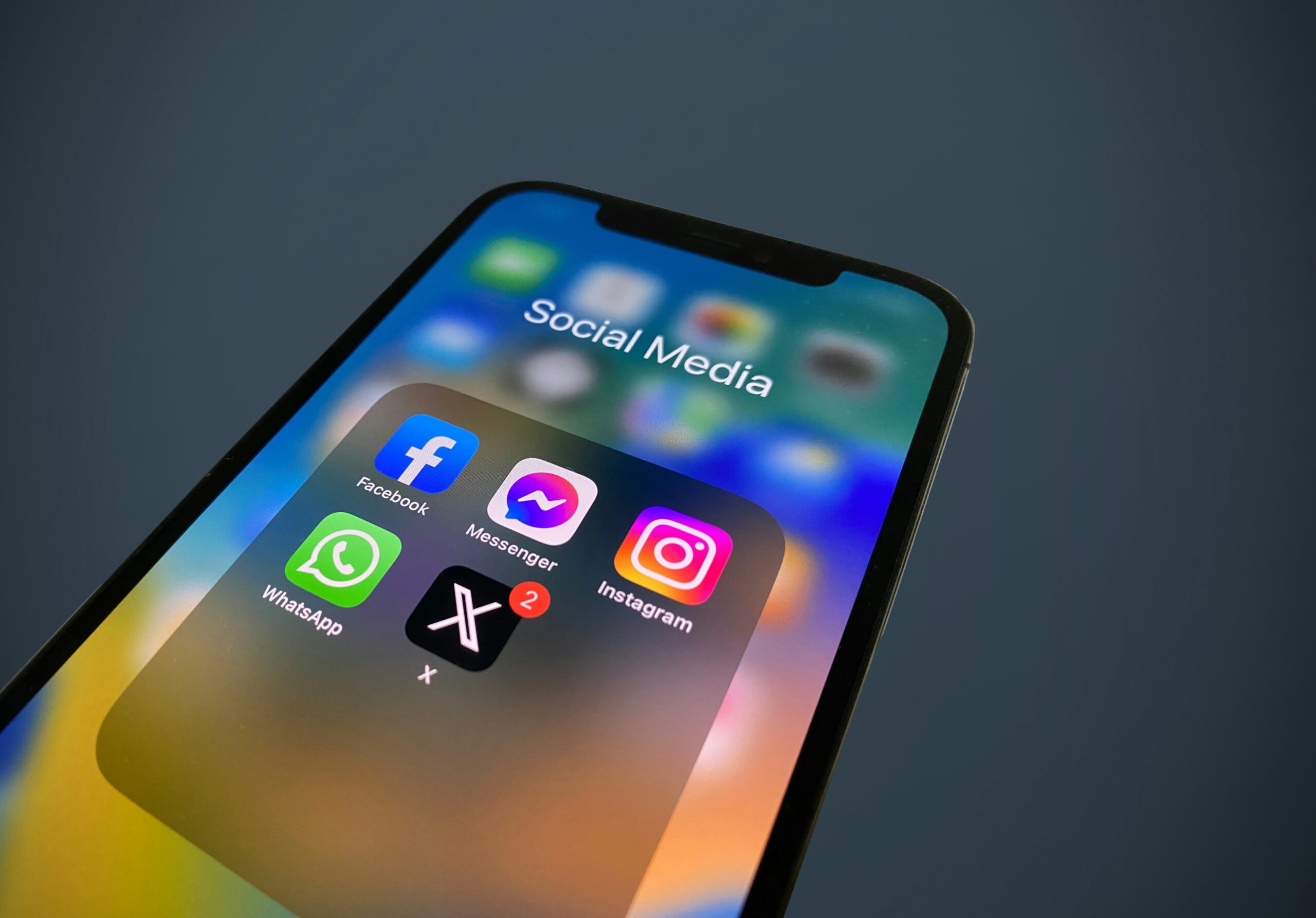
Social media marketing (SMM) is a branch of digital marketing focused on promoting brands, products, and services through social platforms such as Instagram, TikTok, Facebook, LinkedIn, and YouTube.
Research consistently shows that social media marketing significantly improves brand awareness and purchase intention because it enables interactive communication between brands and consumers. Instead of one-way messaging, social media creates dialogue.
This interactive nature makes social media uniquely powerful. It allows brands to connect, respond, and build trust in real time. In many cases, a customer’s journey begins with a social post and ends with a purchase made directly through the platform.
Social media is no longer just a communication channel. It is a discovery engine, relationship builder, and sales channel combined.
The Core Components of Effective Social Media Marketing
Successful social media marketing is not about random posting. It requires structured execution across several strategic pillars.
Strategy of Social Media Marketing
Every effective campaign starts with a clear plan. Strategy defines direction, goals, and measurement. This includes:
- Audience research
- Platform selection
- Content planning
- Campaign timelines
- Performance benchmarks
Without a strategy, social media activity may look busy but produce little real impact. With strategy, every post serves a purpose.

Content of Social Media Marketing
Content is the driving force of social media marketing. It is how brands communicate, educate, entertain, and persuade. High-performing content usually has three traits:
- Relevant to the audience
- Visually engaging
- Designed for platform behavior
For example, short-form vertical videos perform well on TikTok, while carousel posts may perform better on Instagram. Effective content is never one-size-fits-all. It is tailored to both platform and audience expectations.
Quality content does more than attract attention. It builds credibility and encourages interaction, which strengthens brand perception over time.
Influencer Collaboration for Social Media Marketing
Influencer marketing has become one of the most effective extensions of social media strategy. Influencers act as trusted intermediaries between brands and audiences.
Their value lies not just in follower count but in audience trust and relevance. When an influencer aligns with a brand’s niche and tone, their endorsement feels authentic rather than promotional. This authenticity often leads to:
- Higher engagement
- Stronger credibility
- Increased purchase interest
- In other words, influencers help brands reach audiences that traditional ads often struggle to convert.
Performance Measurement of Social Media Marketing
One of digital marketing’s biggest advantages is measurability. Unlike traditional marketing, nearly every social media action can be tracked and analyzed. Key performance indicators typically include:
- Engagement rate
- Reach and impressions
- Click-through rate
- Conversion rate
- Return on ad spend
Analyzing these metrics reveals what works, what does not, and what should be improved. Performance data transforms marketing from guesswork into a system driven by insights.
Commerce Integration over Channels
Social media has evolved beyond awareness and engagement. It is now a direct sales channel. Features such as:
- In-app shopping
- Product tags
- Live selling sessions
- Integrated storefronts
allow users to move from discovery to purchase without leaving the platform. This seamless experience shortens the customer journey and increases conversion potential.
For businesses, this means social media is no longer just marketing. It is also a revenue infrastructure.

Evidence That Social Media Marketing Works
Academic studies and industry research consistently support the effectiveness of social media marketing. Findings show that strategic social media use can:
- Increase brand awareness
- Improve customer engagement
- Strengthen brand loyalty
- Influence purchasing decisions
Research also highlights that social media platforms help companies better understand customer preferences, enabling more precise targeting and segmentation.
This growing body of evidence confirms that social media marketing is not just a trend. It is a proven business strategy.
Why Businesses Need Professional Social Media Marketing
While anyone can create a business account, not everyone can turn it into a growth engine. Professional social media management offers several advantages:
- Clear Direction
- Strategies are built around measurable goals rather than random trends.
- Budget Efficiency
- Targeted campaigns reduce wasted ad spend.
- Consistency and Scalability
- Structured execution ensures long-term brand growth.
- Revenue Impact
Integrated strategy, content, influencer collaboration, performance tracking, and commerce optimization can directly contribute to sales growth.
So, How Social Media Marketing Could Growth Your Business
Social media marketing has become one of the most influential components of digital marketing. It is not simply about posting content. It is a structured system involving research, creative execution, collaboration, measurement, and optimization.
When these elements work together, social media transforms from a communication platform into a powerful business growth channel.
If your brand wants a social media presence that does more than just exist online, Hypenext is ready to help you design the right approach for your brand.