

Sources: Wu et al. (2025) Information & Management; Azad Moghddam & Mortimer (2025) Journal of Retailing & Consumer Services; Feng et al. (2024) Heliyon
The Screen as a Stage
Livestreaming used to be entertainment.
Now it’s economy.
Scroll through TikTok Live or Douyin and you’ll see people not just shopping, but joining — reacting, asking, laughing, co-creating moments with strangers. Buying has become a shared experience.
What was once a channel is now a culture,one where belonging sells better than any discount ever could.
The Missed Shift
Many brands still treat livestreaming like flashy TV: scripted hosts, fast deals, limited-time offers.
But livestream commerce thrives on something far more human which is participation.
A 2025 study by Wu et al. found that even on Twitch, streamers succeed not through competition but through cooperation. Smaller creators “raid” or host one another, sharing audiences and credibility. It’s not a zero-sum game, it’s an ecosystem where visibility multiplies through connection.
The same principle applies to brands: those still broadcasting are missing the network logic of culture.
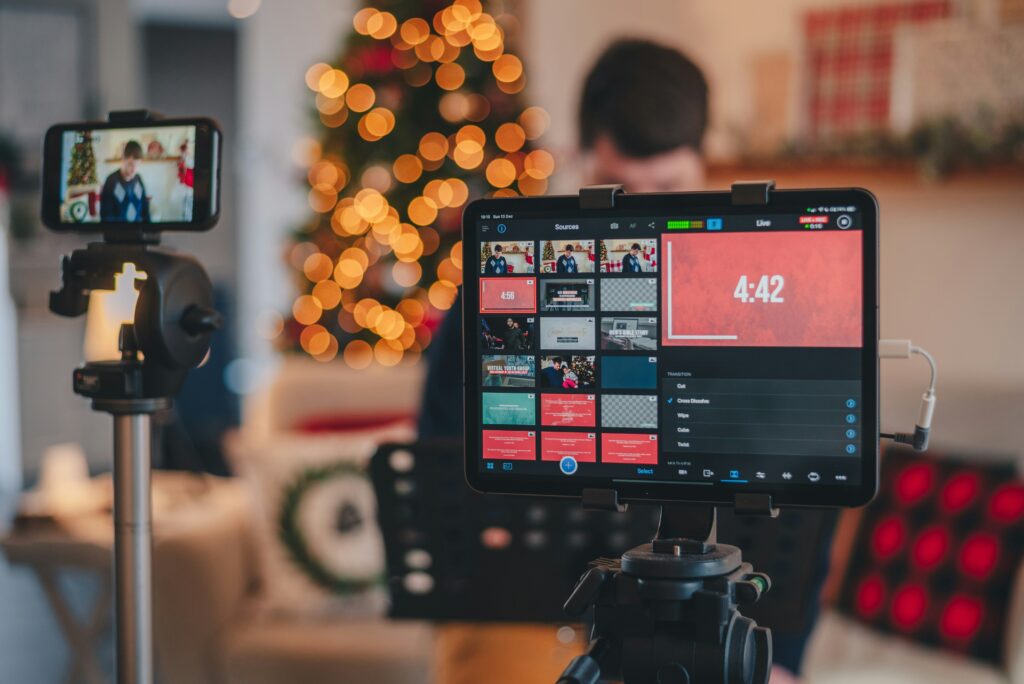
The Livestream Is a Relationship, Not a Retail Channel
Azad Moghddam and Mortimer’s Consumer Livestreaming Experience (CLX) model maps nine dimensions that keep viewers hooked, authenticity, flow, community, and parasocial connection among them.
Viewers don’t just watch; they feel seen. They learn by observing others, ask questions in real time, and act in the moment because interaction makes it effortless.
Livestreaming, in this sense, isn’t digital retail. It’s social theatre, a collaborative performance between creator and consumer where trust is built live, second by second.
The Emotional Logic of Impulse
According to Feng et al. (2024), impulse buying during livestreams isn’t random. It’s driven by emotion and social presence — the thrill of scarcity, the empathy of the host, the contagious energy of the crowd.
When a streamer counts down “Only 3 left!”, it’s not just urgency; it’s participation pressure. People buy not to own the product, but to stay part of the moment.
This is the real evolution: impulse isn’t irrational. It’s relational.
New Rules for Brands in the Livestream Economy
1. From Performance to Co-Creation.
Stop broadcasting. Start conversing. The best streams are unpolished, participatory, and emotionally alive.
2. From Competition to Cooperation.
Think like creators: build alliances, not campaigns. Collaboration drives authenticity and extends reach organically.
3. From Scarcity to Significance.
Limited drops and live-only offers work best when they feel collective — not manipulative. Make moments that feel meaningful to be part of.
4. From Conversion to Immersion.
Measure engagement like presence: watch-time, comment flow, emotional tone. Attention isn’t bought; it’s shared.
Commerce as Collective Energy
Livestreaming is rewriting what it means to sell, turning consumption into participation and audiences into communities.
Every emoji, every spontaneous purchase, every “add to cart” during a live session is an act of shared energy, a small spark in a collective emotional grid.
The next era of brands will be built not on exposure, but on exchange.
In the age of livestreaming, the question isn’t “How do we sell more?”
It’s “How do we belong more?”
Brand philosophy takeaway:
Livestreaming doesn’t sell products, it sells presence.